Most conversations about digital transformation start with scare tactics. Rising costs, regulatory pressure, client expectations. All true but that’s not really where the conversation should start.
What we actually see with professional services leaders is different. They’re dealing with specific operational friction points that keep showing up. A finance team that can’t close the books as quickly as they’d like. Project managers spend more time in spreadsheets than on strategy. Consultants whose time gets pulled into administrative work. Customers asking for real time visibility the organisations can’t yet provide. Legacy systems were not built to support these demands.
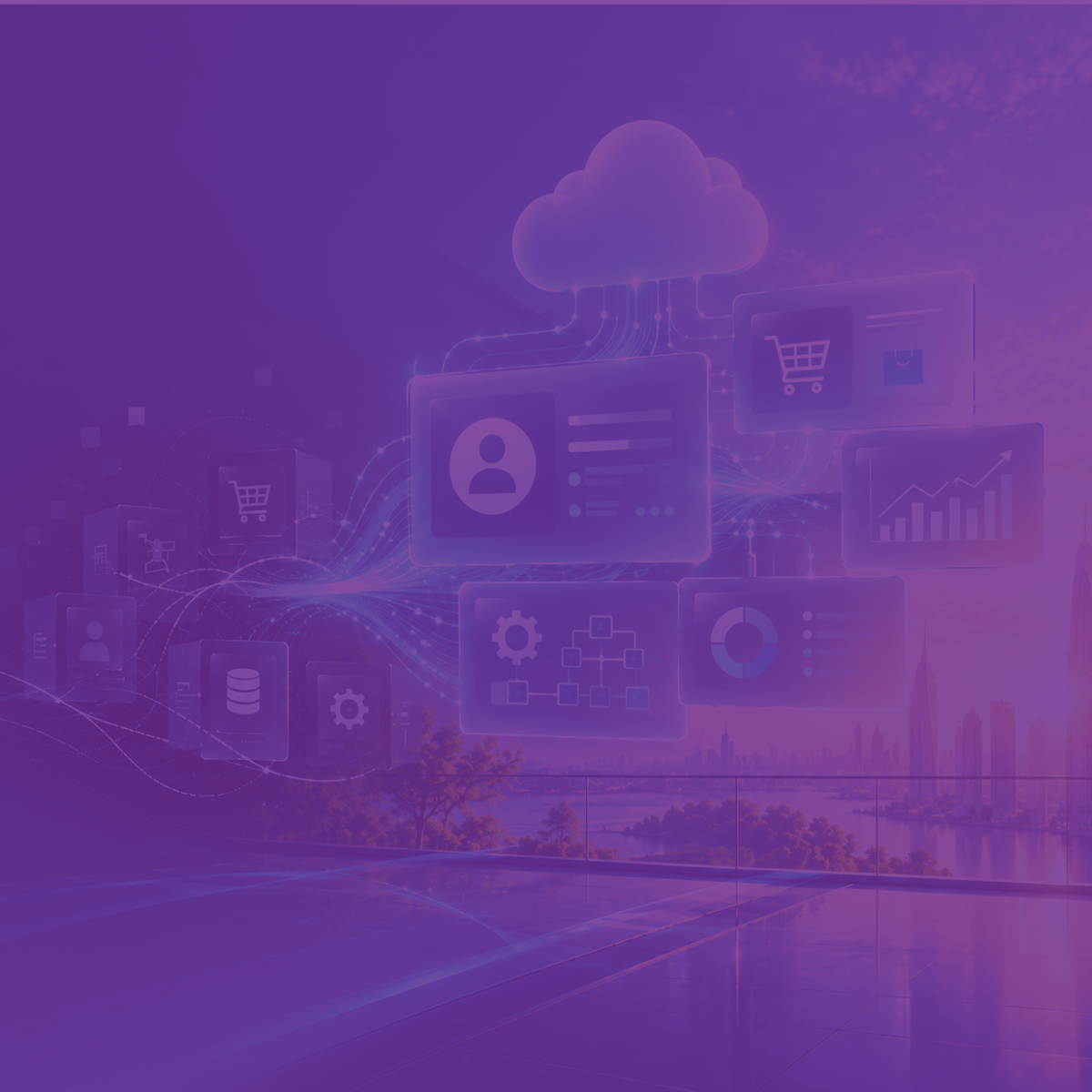
This is where professional services consulting and Digital transformation in professional services become critical. Together, they help organisations modernise operations in a structured way without creating unnecessary disruption.
Digital transformation priorities for professional services
#1
Regulatory pressure is increasing.
Compliance requirements are more complex and region specific than ever. Audit trails, data retention and reporting standards keep changing. Manual compliance processes simply don’t scale.
#2
Financial visibility matters more.
Leadership teams need real time insight into project profitability, resource costs and cash flow. Not at the end of the month. Now. Making decisions without current data is guesswork.
#3
Competition for talent is fierce.
Your best people are leaving partly because the tools are clunky and the admin is endless. Consultants came to do skilled work, not chase down timesheets across five different systems.
#4
Customer expectations have shifted.
They want faster delivery cycles, predictable costs and transparency into how their projects are progressing. They’re also more willing to walk if you can’t deliver on this.
#5
Sustainability matters.
It’s no longer optional. Your clients are asking about environmental impact, ESG compliance and waste reduction. Your systems need to support this, not hinder it.
The organisations that move now will have a real competitive advantage. The organisations that delay? They’ll be explaining why they’re slower, more expensive and less compliant than their rivals.
Connecting finance, projects, resource planning and client data
Digital transformation is not about adding more tools for the sake of it. It is about creating connected operations where systems, data and teams work together more effectively.
In practical terms, this allows organisations to:
- Replace manual workflows with automation
- Access real time financial and project data
- Improve resource planning and utilisation
- Make faster and more informed decisions
- Reduce duplication and inconsistencies across systems
Unlike generic platforms, professional services digital solutions are designed to handle project based work, time tracking, billing complexity and compliance requirements.
This shift allows leadership teams to move from reactive decision making to proactive planning.
The Real Challenges with Legacy Systems
We’ve worked with enough professional services firms to understand where operational friction usually sits. It’s not always obvious but it shows up consistently:
Project profitability visibility takes effort. Costs sit across multiple systems. You don’t get a clear picture of which projects are genuinely profitable until weeks after they close.
Resource allocation relies on incomplete information. Decisions are made based on what people remember rather than current skills and availability data. Bench time is higher than it needs to be. Overallocation creates bottlenecks.
Manual processes slow things down. Timesheets entered in one system, project data in another, billing in a third. Each handoff creates friction. Each manual step takes time. Your finance team spends significant effort reconciling across systems.
Your systems operate independently. Finance doesn’t know what operations are doing. Projects don’t sync with resource planning. Data exists separately and getting a complete picture requires manual effort.
Compliance requires constant attention. Audit requirements keep evolving. Your current setup makes it harder than it should be to demonstrate compliance. Risk sits higher than necessary.
The financial impact is real. Higher operating costs. Tighter margins. Slower customer delivery. More risk exposure. This is what happens when your infrastructure wasn’t built for how you actually work.
Professional Services Consulting Provides Structure and Reduces Risk
Digital transformation requires more than technology. It requires a clear strategy, strong governance and alignment between business and IT. This is where professional services consulting adds value.
A structured consulting approach helps organisations:
- Define clear business outcomes and transformation goals
- Identify gaps in current systems and processes
- Build a realistic and phased transformation roadmap
- Align stakeholders across finance, operations and IT
- Reduce implementation risk through proven methodologies
At Birchman, transformation projects are designed to deliver practical outcomes without unnecessary complexity. Breaking projects into manageable phases helps organisations maintain continuity while improving operational performance over time.
You can explore similar transformation approaches through Birchman’s insights and service pages to understand how structured delivery reduces complexity.
How Does SAP For Professional Services Improve Control, Visibility and Scalability?
SAP for professional services provides an integrated platform that connects core business functions. It brings together finance, project management, resource planning and reporting in one system.
This integration delivers several advantages:
- Real time financial visibility across projects and business units. You see project profitability as work progresses, not after it closes.
- Automated billing, revenue recognition and compliance tracking. These happen systematically without manual intervention.
- Improved resource planning based on skills, availability and demand. You allocate people smarter and more strategically.
- Standardised processes that reduce errors and improve consistency. Standards reduce errors. Less rework. Faster delivery. Quality improves because people aren’t improvising workarounds.
Integrated ERP platforms enable organisations to improve operational efficiency while maintaining compliance and governance. For decision makers, this means tighter control over costs, improved forecasting accuracy and stronger alignment between strategy and execution.
Digital capabilities that support profitable client delivery
Professional services organisations that adopt digital solutions see clear operational improvements. Here’s how a digital first approach compares to traditional ways of working:
|
Traditional Model |
Digital First Model |
|
Manual workflows |
Automated processes |
|
Delayed reporting |
Real time insights |
|
Disconnected systems |
Integrated platforms |
|
Reactive planning |
Predictive decision making |
Key benefits include:
- Improved operational efficiency through automation and standardisation.
- Precise cost control with real time financial tracking and reporting.
- Enhanced client delivery through faster response times and transparency.
- Stronger forecasting using accurate and up to date data.
These improvements directly impact profitability and customer satisfaction.
Measuring productivity, utilisation and client-service outcomes
Transformation should also be measured through the operational outcomes it creates. Organisations can use productivity, utilisation and client-service measures to understand whether new digital capabilities are delivering meaningful improvements.
Professional services automation solutions can help teams track indicators such as billable utilisation, project margins, resource capacity, delivery timelines and administrative effort. Looking at these measures together gives leadership a clearer view of where transformation is improving performance and where further process changes may be required.
For organisations using SAP, SAP professional services automation can support a more connected view of project, resource and financial performance. The goal is not simply to collect more metrics, but to give decision makers timely information they can act on.
The most useful measures should connect directly to business outcomes. If automation reduces administrative effort but does not improve utilisation, delivery speed or client experience, the organisation needs to understand why. Similarly, stronger reporting should translate into better resource decisions, tighter cost control or more predictable project outcomes.
Addressing Concerns Around Cost, Disruption and Complexity
Many organisations hesitate to begin transformation projects because of concerns around disruption, investment and implementation timelines.
These concerns are understandable however, they can be managed with the right planning and governance.
What keeps organisations from moving forward:
- Operational disruption during transition
- Significant upfront capital requirements
- Unclear payback timelines
- Extended implementation periods
How structured transformation mitigates these risks:
- Phased rollout – gradual adoption minimises operational impact
- Defined business cases – clear links between investment and measurable returns
- Proven methodologies – reduce uncertainty and keep projects on track
- Early wins – quick operational improvements build internal momentum and confidence
The reality: Digital transformation doesn’t require a complete overhaul. It works best as a pragmatic, sequenced approach aligned to your business priorities, delivering value progressively rather than all at once.
Digital Transformation is a Strategic Advantage, Not Just An IT Project
Digital transformation is no longer optional. It is a core business strategy.
Organisations that invest in professional services digital solutions and leverage SAP for professional services can improve efficiency, reduce risk and deliver proven results for customers. The opportunity is clear. The risk of inaction is even clearer.
Next steps:
The path forward doesn’t have to be painful. With structured planning and the right implementation partner, transformation becomes predictable and measurable.
- Discover how our professional services and digital solutions reduce risk and improve performance
- Explore Birchman case studies to see transformation in action
Speak with our implementation team about your SAP roadmap
FAQs
Question #1: How does digital transformation support talent retention in professional services?
Ans: Digital tools reduce administrative burden and improve employee experience. Consultants spend less time on manual reporting, disconnected systems, repetitive tasks and inefficient workflows. This allows them to focus on high value work, client engagement and professional growth. A better work environment helps retain top talent.
Question #2: What role does data security play in digital transformation?
Ans: Data security is a core part of any transformation strategy. Modern platforms such as SAP for professional services include built in controls for access management, data protection, compliance monitoring and audit tracking. This ensures sensitive client and financial data remains secure while still being accessible for decision making.
Question #3: Is cloud adoption necessary for professional services digital solutions?
Ans: Cloud adoption is not always mandatory but it offers significant advantages. Cloud based professional services digital solutions provide scalability, flexibility, remote access, automatic updates and reduced infrastructure management. These benefits are particularly valuable for organisations operating across multiple locations.
Question #4: How do digital platforms support sustainability goals in professional services?
Ans: Digital transformation helps organisations track and reduce their environmental impact. Automated reporting, reduced paper usage, optimised resource allocation and better travel planning all contribute to sustainability. In addition, integrated systems make it easier to meet ESG reporting requirements.
Question #5: Does digital transformation require replacing every legacy system?
Ans: No. Transformation does not necessarily mean replacing every legacy system. Organisations should assess systems based on business value, integration requirements, data quality, risk and future scalability. In some cases, existing systems can remain in place while priority processes and data flows are modernised around them.
Question #6: How can organisations protect billable work during change?
Ans: A phased approach can help protect billable work by limiting disruption to critical delivery processes. Organisations should sequence changes carefully, involve project and client-facing teams early, provide appropriate training and avoid introducing major process changes during critical delivery periods wherever possible.
Question #7: Which transformation decisions require executive ownership?
Ans: Executives should own decisions that affect strategic priorities, investment, operating-model changes, risk tolerance and cross-functional trade-offs. Business and IT teams can lead detailed design and implementation decisions, but executive ownership is important when decisions affect the wider organisation or require competing priorities to be resolved.
Question #8: What is a realistic programme sequence for a professional services organisation?
Ans: A realistic sequence typically starts with defining business outcomes and assessing the current process and system landscape. Organisations can then prioritise gaps, establish the business case, define the roadmap, prepare data and governance, implement in manageable phases, and use early results to guide subsequent releases. The exact sequence and timing should reflect organisational complexity, readiness and business priorities.