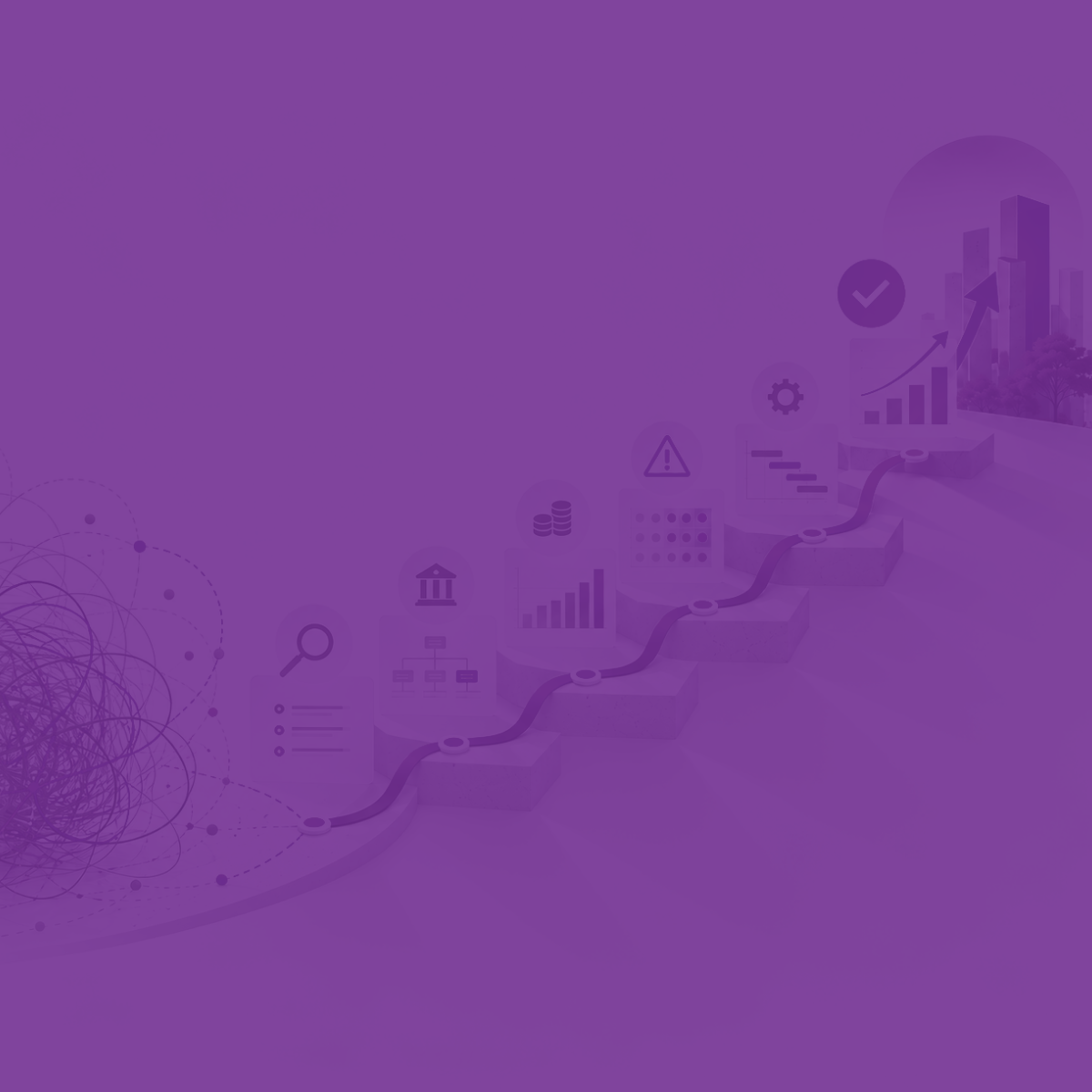
For years, SAP ECC has supported critical business operations. Over time, organisations have invested in customisations, integrations and processes designed around the way they work.
Now, with maintenance deadlines approaching, many face an important decision about their future ERP landscape. Some are already planning a move to SAP Cloud ERP (S/4HANA). Others are considering new implementations, reviewing cloud options or looking for ways to innovate while remaining on ECC. Some simply aren’t sure which direction to take. The challenge isn’t a lack of options. It’s understanding the implications of each one.
Before deciding where to go, organisations need a clear picture of where they are today.
The ECC Deadline Matters but It Shouldn’t Drive Every Decision.
For SAP ERP 6.0 with Enhancement Packages 6, 7 or 8, mainstream maintenance ends on 31 December 2027. Optional extended maintenance is available until the end of 2030 at an additional cost. Earlier enhancement packages have already moved beyond mainstream maintenance.
These deadlines make planning essential but they don’t automatically determine the right next step.
For some businesses, a move to SAP Cloud ERP (S/4HANA) is already part of a wider transformation strategy. For others, the investment, internal resources or appetite for change may not yet be in place.
There are questions around existing infrastructure, integrations, licensing, data and the extent of business change required. Rushing into a decision to meet a deadline can introduce unnecessary cost and complexity. Equally, delaying decisions without a plan can limit future options.
The priority should be understanding the choices available and making decisions based on business needs, technical realities and longer term objectives.
What Are Your Options with SAP ECC?
There is no single route that suits every organisation. he right approach depends on the existing SAP landscape, business priorities, available investment and appetite for change. Here are some of the options worth considering.
#1 Consider a new SAP Cloud ERP Public (S/4HANA) implementationConsider a new SAP Cloud ERP Public (S/4HANA) implementation
A new implementation does not mean starting from zero. Moving from ECC to SAP Cloud ERP Public is still a move from SAP ERP to SAP ERP. The system is new and processes are designed around SAP standard but much of the business language, process logic and organisational understanding remains familiar.
Core data concepts support mapping, cleansing and migration. Recognisable SAP processes and terminology give teams a foundation to build on, while existing SAP knowledge, integration experience, controls and reporting concepts remain relevant.
Cloud ERP Public combines a clean start with a familiar SAP foundation. It offers an opportunity to simplify processes and revisit customisations without abandoning what your organisation already knows. The cost can be neutral or lower than a conversion to Cloud ERP Private and is the SAP north start for all customers but we can help weight it up.V
#2 Move to SAP Cloud ERP Private (S/4HANA) through system conversion
For organisations looking to retain much of their existing investment, a system conversion may be appropriate.
This approach transitions the existing SAP ERP system to SAP Cloud ERP (S/4HANA), retaining much of the established configuration, processes and data, subject to required technical and functional changes.
It can be a sensible option where current processes continue to support business requirements however, existing customisations, data quality and integrations still need careful consideration.
#3 Explore a selective transition
Some organisations may benefit from a more selective approach, particularly where they want to retain certain elements of their existing environment while changing others.
Selective data transition approaches can provide flexibility around which data, processes or organisational structures move into a new SAP Cloud ERP Private (S/4HANA) environment.
The suitability of this route depends on the current landscape and the specific changes required.
#4 Innovate while continuing to run ECC
Not every organisation is ready to move immediately. That doesn’t mean improvements must wait. Depending on the existing environment, there may be opportunities to introduce new capabilities in and around ECC, including:
- SAP Business Technology Platform (BTP): Supporting integration, application extensions and automation.
- SAP Build Process Automation: Addressing repetitive tasks and manual workflows.
- SAP Business Data Cloud and SAP Datasphere: Exploring ways to connect, manage and use business data.
- SAP Analytics Cloud: Improving access to reporting, analysis and planning.
- SAP Fiori: Reviewing opportunities to improve user experience.
- SAP Business AI: Assessing relevant AI use cases where technical and data requirements can be met.
These aren’t necessarily alternatives to a future ERP transformation. Some improvements could support the groundwork for one. The important consideration is whether an investment provides measurable value today and how it fits with the organisation’s longer term direction.
For organisations considering a move to SAP Cloud ERP (S/4HANA), choosing the right transformation approach is just the beginning. We support businesses through the transition from ECC to S/4HANA, from strategy and planning through to implementation and ongoing optimisation. Explore Our ECC to S/4HANA Transformation Services.
The right technology decision starts with the business
It’s easy for discussions about SAP ECC to become focused on technical migration but choosing the next ERP direction involves much more than technology.
Finance leaders want to understand the investment required and the business case behind it. IT teams need to manage risk, technical dependencies and maintenance. Operational leaders want systems that support the way the business works. These priorities need to be considered together. Before committing to a particular route, organisations should be asking:
What does our existing ECC landscape look like?
Where are the critical integrations, customisations and technical dependencies? What risks need addressing?
What are we trying to achieve?
Are we looking to reduce cost, improve operations, address technical limitations or support wider business change?
Which options are realistic?
How do different ERP pathways compare in terms of investment, complexity, disruption and business value?
Where could we make progress now?
Are there opportunities to address existing challenges or introduce useful capabilities before a larger transformation?
What needs to happen over the next 12 to 24 months?
Which decisions, investments and preparatory activities should take priority?
Having answers to these questions provides a stronger basis for deciding what comes next.
Don’t overlook the value of a phased approach
For many organisations, the choice isn’t simply between moving to SAP Cloud ERP (S/4HANA) immediately and remaining on ECC indefinitely.
A phased approach may offer a more appropriate way forward. This could involve addressing data quality, reviewing customisations, simplifying integrations or introducing targeted improvements while developing plans for future ERP change.
It gives organisations an opportunity to consider their licensing and maintenance position alongside their technical and business strategy. Importantly, tactical investments should be assessed against longer term plans.
There’s little value in introducing a new capability if it creates additional complexity or requires substantial rework during a future migration but conversely if aligned to a roadmap and delivering value in the short term and setting up for success in the long term it can be an attractive option. The aim is to make decisions that address current priorities without losing sight of what comes next.
Clarity before commitment: Birchman’s SAP ECC Future Readiness Assessment
We recognise that every organisation’s SAP landscape and business priorities are different.
Some are ready to move to SAP Cloud ERP (S/4HANA). Others need to explore their options, establish a business case or identify opportunities to make progress with their existing systems.
Our SAP ECC Future Readiness Assessment is designed to help organisations make those decisions.
Over 10 days, we work with your team to understand your existing ECC landscape, explore future ERP and innovation options and develop a clear roadmap for the next steps.
Our approach focuses on three areas:
#1 Assess
Understand your current ECC environment, business priorities, technical dependencies, licensing considerations and areas of risk.
#2 Explore
Evaluate potential future ERP pathways alongside opportunities for innovation and improvement, considering the implications for cost, complexity and business change.
#3 Roadmap
Develop prioritised business and technical recommendations, including licensing, maintenance and future transformation considerations. The assessment provides three key outcomes:
- ECC Landscape & Risk Review: A high level understanding of your current environment, dependencies and key risks.
- Future Options Assessment: An initial evaluation of future ERP pathways and innovation opportunities aligned with business priorities.
- Strategic & Technical Roadmap: Prioritised recommendations covering business, technology, licensing and maintenance considerations.
It’s not about prescribing a particular solution. It’s about providing the clarity needed to decide which direction is right for your organisation.
Your future beyond ECC starts with understanding your options
SAP ECC maintenance deadlines are an important consideration but your future ERP strategy should be driven by more than a date.
Whether the right next step is moving to SAP Cloud ERP (S/4HANA), introducing new capabilities around ECC or taking a phased approach, the decision needs to reflect your organisation’s priorities, investment plans and appetite for change.
You don’t need to have every answer today. You do need a clear understanding of your options and what each could mean for your business.
Not sure what comes next for your SAP landscape?
Learn more about our SAP ECC Future Readiness Assessment and establish a clear direction for the future or contact our team here.