SAP Process Orchestration (SAP PI/PO) is approaching its end of life in 2027, with optional extended maintenance available until 2030. As organisations evaluate future integration strategies, SAP’s recommended path is SAP Cloud Integration (CPI) within the SAP Business Technology Platform (BTP).
Many businesses are increasingly exploring the advantages of SAP Cloud Integration, especially those considering why they should move from SAP PO to SAP CPI. Below, we break down the benefits and key differences.
Cloud-Based Solution
SAP Cloud Integration is a cloud-based SAP integration platform, eliminating the need for hardware, manual installation, and system maintenance. This reduces infrastructure costs and enables seamless scalability as business needs evolve.
Conversely, SAP Process Orchestration is an on-premise middleware solution that requires servers, upgrades, and ongoing technical oversight.
Integration with Non-SAP Systems
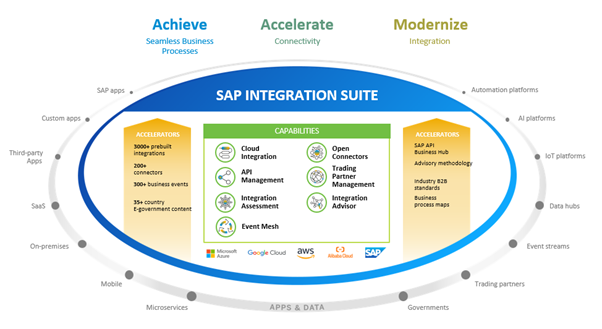
One of the core strengths of SAP Cloud Integration is its ability to integrate with 200+ non-SAP applications, including Salesforce, Workday, and other leading cloud platforms. It supports modern communication formats such as REST, SOAP, and OData.
SAP Process Orchestration primarily focuses on SAP-to-SAP integrations and offers limited interoperability with external cloud systems.
Pre-Built Integrations
SAP Cloud Integration provides pre-built integration packages and templates through the SAP API Business Hub. These accelerators dramatically reduce development time and help standardise integration best practices.
SAP Process Orchestration does not provide pre-built or industry-standard integration content.
Low-Code Development
CPI features a low-code, user-friendly interface that enables functional teams to participate in integration design without deep technical expertise. This accelerates delivery cycles and reduces dependency on specialist developers.
Process Orchestration, by contrast, requires technical skillsets and longer development timelines.
Real-Time Integration
SAP Cloud Integration supports real-time, API-driven data exchange, ensuring businesses operate with accurate and up-to-date information across systems.
SAP Process Orchestration relies heavily on batch processes and older integration patterns, limiting real-time data availability.
SAP Cloud Integration vs SAP Process Orchestration
| Feature or Capability | SAP Cloud Integration (CPI) | SAP Process Orchestration (PI/PO) |
| Deployment Model | Cloud-based | On-premise |
| Scalability | Auto-scaling | Manual scaling |
| Updates & Maintenance | Automatic and managed by SAP | Requires manual installation |
| Integration Scope | 200+ SAP & non-SAP systems | Primarily SAP systems |
| Pre-built Content | Available (API Business Hub) | Not available |
| Development Approach | Low-code | High technical knowledge required |
| Real-time APIs | Fully supported | Limited |
| Cost Structure | Subscription-based | Hosting, hardware & maintenance costs |
| Future Roadmap | Strategic SAP integration product | Being phased out by 2030 |
What Is The Migration Strategy of Moving From SAP PO to SAP Cloud Integration?
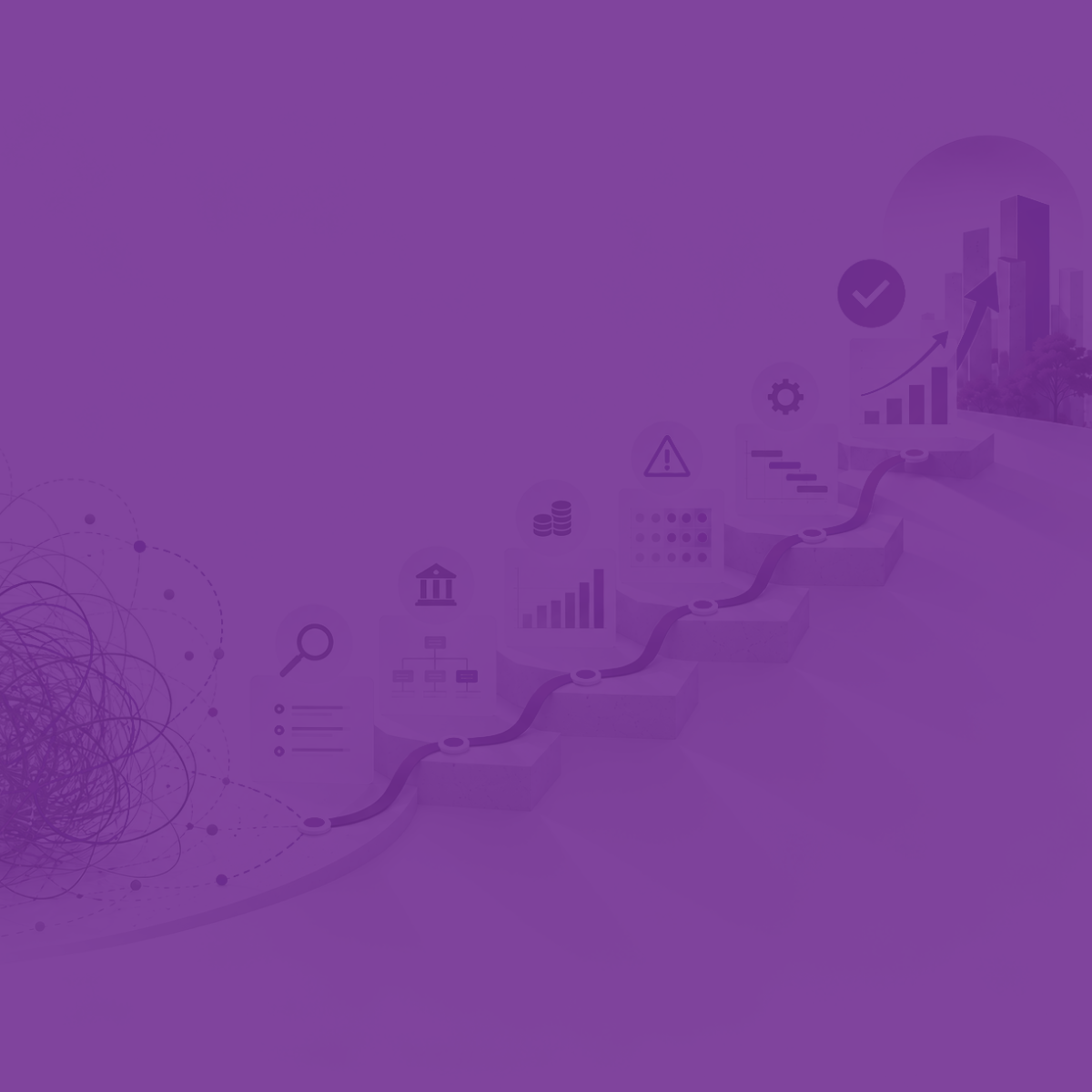
Migrating from SAP PO to CPI requires careful planning to minimise disruption and ensure interface compatibility. Below is a high-level migration approach:
Step 1: System & Interface Assessment
Identify all PI or PO interfaces, integration flows, custom mappings, and dependencies.
Step 2: Prioritisation of Interfaces
Categorise integrations based on complexity, business importance, and migration feasibility.
Step 3: Conversion & Mapping to CPI
Translate PO mappings and message types to CPI-friendly formats and adjust integration flows accordingly.
Step 4: Testing & Validation
Conduct end-to-end testing to ensure data accuracy, performance, and API responsiveness.
Step 5: Cutover Strategy
Decide between phased migration or full cutover based on risk and operational impacts.
Step 6: Optimisation Post-Go-Live
Monitor integration behaviour, fine-tune performance, and optimise for scalability.
Conclusion
SAP Cloud Integration offers a modern, scalable, cloud-native integration platform with strong support for non-SAP systems, low-code development, and real-time processing.
With SAP PI or PO nearing the end of life, organisations should begin planning why and how to move from SAP PO to SAP CPI to stay aligned with SAP’s long-term technology roadmap.
For further information on your move from SAP PI/PO to Cloud Integration, please get in touch.
FAQs
Question #1: What is SAP Cloud Integration?
Ans: SAP Cloud Integration is SAP’s cloud-based middleware platform that enables secure, real-time integration between SAP and non-SAP systems.
Question #2: How does SAP Cloud Integration differ from Process Orchestration?
Ans: CPI is cloud-native, automatically updated, scalable, and low-code. PO is on-premise, manually updated, and more technically complex.
Question #3: Why should businesses migrate from SAP PO to SAP Cloud Integration?
Ans: To benefit from lower maintenance costs, enhanced scalability, pre-built content, modern APIs, and SAP’s long-term product roadmap.
Question #4: Is SAP Process Orchestration being phased out?
Ans: Yes. Mainstream maintenance ends in 2027, with extended maintenance available until 2030.
Question #5: How can Birchman help with SAP Cloud Integration adoption?
Ans: Birchman supports full lifecycle services from assessment, migration planning, CPI implementation, optimisation, to post-go-live support.