That’s why many are re-evaluating how their supply chains operate, not just to keep up but to get ahead. Here’s the truth: it’s not about bolting on the latest tech for the sake of it. Real transformation is grounded in rethinking how every link in the chain works together, from demand planning through to delivery.
So, how can companies in the consumer goods space take that next step with confidence?
What are the limits of traditional supply chains?
Traditional supply chains were built for a steadier world – stable suppliers, predictable demand, slower change. That world’s long gone.
Today, it’s all about volatility, tighter regulations, and customers who expect speed, transparency and control. Legacy systems aren’t built for that. They’re manual, siloed and blind to the bigger picture.
The result? Slower responses, missed opportunities and higher costs.
Why Consumer Goods Supply Chains Must Evolve
The modern consumer goods supply chain operates in an environment where customer expectations, market conditions and regulatory requirements can change quickly. Businesses need more than isolated improvements to keep pace. They need connected processes that allow teams to respond with greater speed and accuracy.
One major driver is changing demand. Consumers increasingly expect products to be available when and where they want them, while purchasing patterns can shift quickly due to trends, promotions or external events. At the same time, businesses are managing rising costs, complex supplier networks and growing sustainability expectations.
This is where digital supply chain transformation becomes important. By connecting data, processes and decision-making across the supply chain, businesses can create a more responsive operating model. Instead of reacting to problems after they occur, teams can use timely information to identify risks and act earlier.
The goal isn’t simply to introduce more technology. It’s to create a supply chain that can adapt as the business and market around it change.
What Are The Key Capabilities of a Modern Supply Chain?
Supply chain digital transformation provides modern tools to move faster, see more and plan smarter.
Done right, it connects the dots – making operations more transparent, more responsive and better prepared for change. For consumer goods businesses, that doesn’t just improve performance. It lifts customer experience and drives more sustainable ways of working.
Here’s what makes that possible. Five capabilities that support a modern supply chain
#1
Real time visibility that actually means something
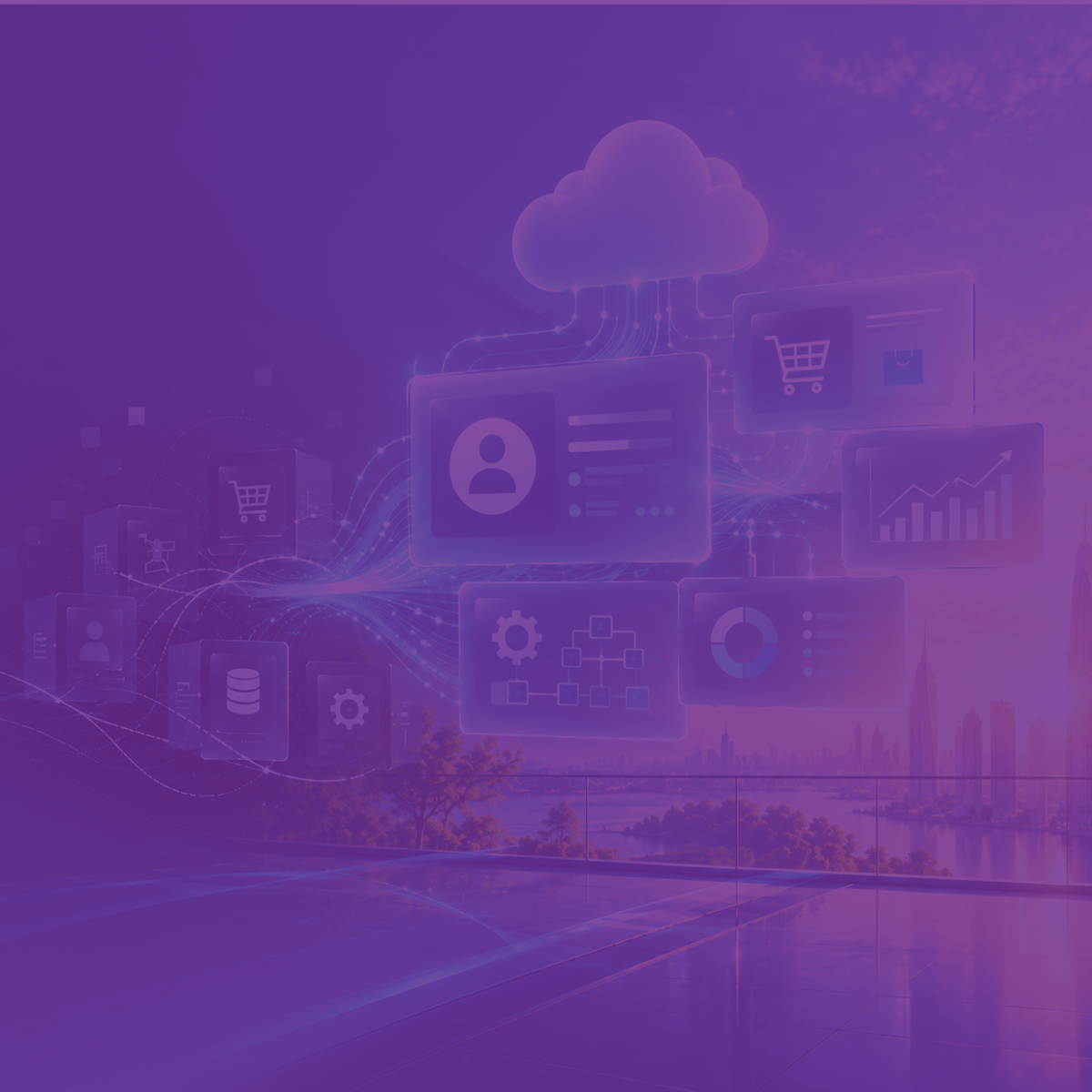
When systems talk to each other and data is reliable, teams get a clear view across suppliers, stock, production and delivery, as it’s happening. That means fewer surprises, faster decisions and better planning. Tools like SAP S/4HANA and SAP IBP make this possible.
#2
Planning that looks forward, not backward
Smart planning uses live demand signals, market shifts and supply data, not just last year’s sales. It cuts down on waste, prevents stockouts and keeps things flowing. The data doesn’t need to be huge – just accurate, timely and actionable.
#3
Automation where it counts
Tasks like order processing and invoicing eat up time and are easy to get wrong. Automating these frees up teams to focus on what adds real value, without taking people out of the picture.
#4
Tracking sustainability more effectively
Many consumer goods companies are under pressure to prove their environmental credentials. Digital tools can help measure emissions, track packaging waste and pick lower impact suppliers. It’s not just about compliance. It’s about staying relevant.
#5
Tighter collaboration with suppliers
Sharing data and working more openly with suppliers shortens lead times, avoids confusion and builds resilience. Digital platforms make joint planning easier so when things shift, as they always do, you’re ready.
How To Improve Visibility and Demand Planning
Improving visibility starts with bringing data from different parts of the supply chain into a connected view. Businesses can integrate information from suppliers, warehouses, production systems, sales channels and logistics partners to create a more complete picture of what is happening across operations.
But visibility alone isn’t enough. The information also needs to support better decisions. Teams should establish clear data ownership, improve data quality and make relevant information available to the people responsible for planning and execution.
Demand planning can become more accurate when businesses combine historical sales with current demand signals, promotional activity, market trends and supply constraints. Regularly reviewing forecast performance can also help teams identify where assumptions are consistently missing the mark.
Another important step is connecting planning with execution. When planners can see changes in inventory, orders or supply conditions as they happen, they can adjust forecasts and plans sooner. This creates a continuous planning cycle rather than relying on static forecasts that quickly become outdated.
A strong digital supply chain transformation strategy therefore brings visibility and planning together. The aim is to turn data into timely action, helping businesses balance availability, inventory and cost more effectively.
A practical path to transformation
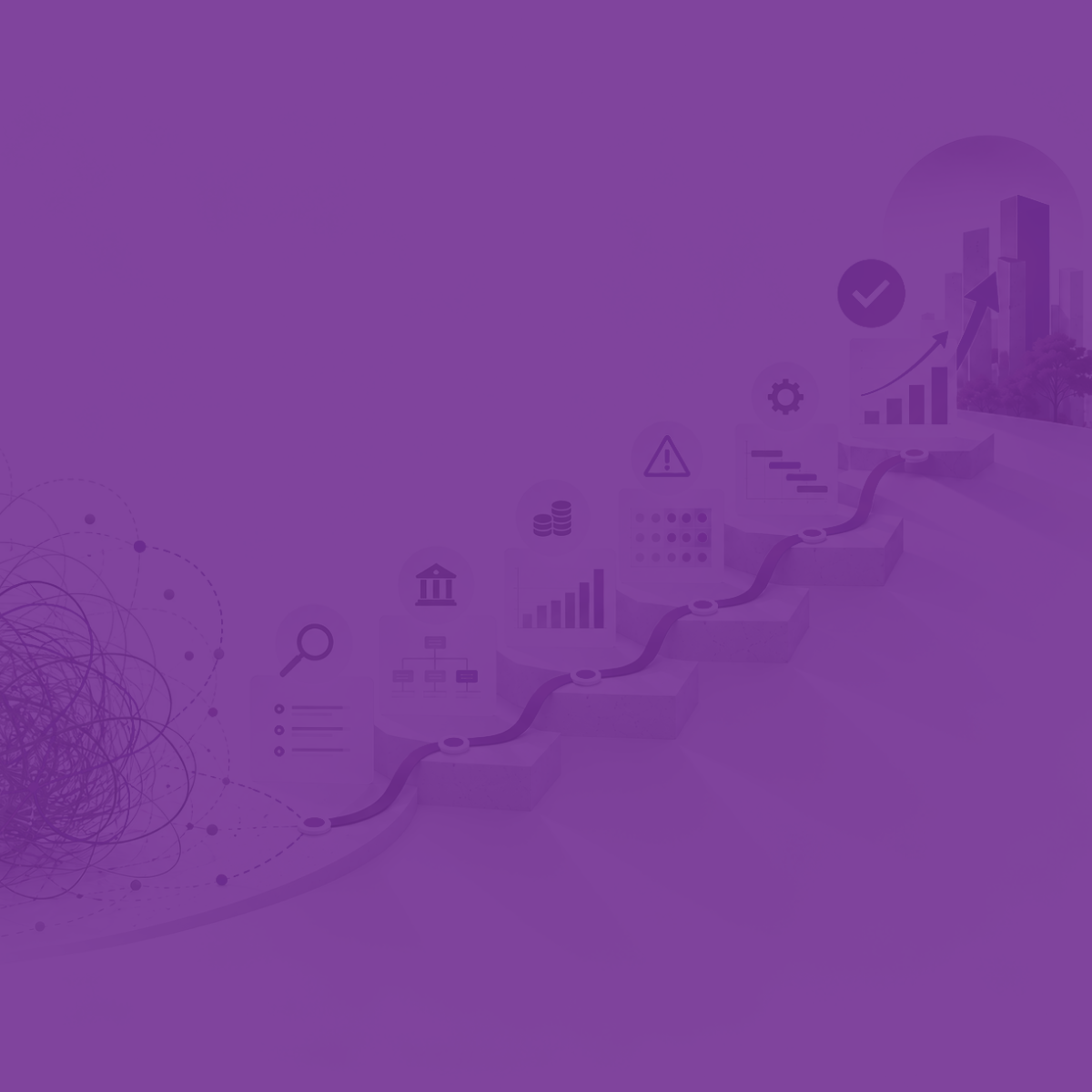
Modernising your supply chain doesn’t need to be overwhelming. The key is having a clear plan and taking it one step at a time. Here’s how many organisations approach it:
- Understand your current position: What’s working well and where are the pain points? What systems are in place and where are the gaps?
- Set clear priorities: Are you focused on cutting costs, improving service, reducing emissions or all three? Knowing what matters most helps shape smarter decisions.
- Build a phased roadmap: Not everything needs to happen at once. Identify some quick wins alongside longer term changes.
- Choose tools that fit your business: Look for systems that are flexible and can scale as your needs evolve. Integration with existing tools is key.
- Support your people through the change: New systems and processes require new ways of working. Make sure teams are engaged, trained and supported.
As part of this process, businesses should also look for opportunities for supply chain optimisation. Prioritising high-impact processes first can make transformation more manageable while creating measurable improvements that support wider change.
Why this isn’t a one off project
Digital transformation isn’t something you tick off and forget. Supply chains will keep evolving and your systems need the flexibility to evolve with them.
What sets businesses apart isn’t just how they adapt today but how ready they are to adapt tomorrow.
That’s why the most successful transformations focus on building a culture of ongoing improvement and responsiveness. It’s not just about delivering change. It’s about staying ready for what comes next.
Continuous supply chain optimisation can help organisations keep improving processes as new requirements, technologies and customer expectations emerge.
Final thoughts
Consumer goods supply chains are under pressure to deliver more, with greater speed, sustainability and transparency. Digital transformation isn’t just how businesses meet these demands. It’s how they stay competitive.
The path will vary from one organisation to the next. But the direction is the same. Supply chains are becoming more connected, more intelligent and better prepared for whatever comes next.
FAQs
Question #1: Why is on demand supply chain visibility important?
Ans: On demand supply chain visibility gives teams access to current information about inventory, orders, suppliers, production and deliveries when they need it. This helps businesses identify disruptions earlier, make faster decisions and respond more effectively to changes in demand or supply.
Question #2: How does SAP Cloud ERP S/4HANA support supply chain transformation?
Ans: SAP Cloud ERP S/4HANA can connect core business processes and data across areas such as procurement, inventory, manufacturing and logistics. This creates a more integrated operational foundation, helping businesses improve visibility, streamline processes and support more responsive supply chain decision-making.
Question #3: What are the biggest challenges facing consumer goods supply chains today?
Ans: Some of the biggest challenges include unpredictable demand, rising costs, complex supplier networks, inventory pressures, changing customer expectations and increasing sustainability requirements. Businesses also need to manage these challenges while maintaining speed and service levels.
Question #4: How can businesses improve demand planning accuracy?
Ans: Businesses can improve demand planning accuracy by combining historical sales data with current market signals, promotional activity, customer behaviour and supply information. Regularly measuring forecast accuracy and updating planning models based on actual outcomes can also help teams make better decisions over time.
Question #5: What role does automation play in modern supply chains?
Ans: Supply chain automation helps reduce manual work across repetitive processes such as order management, invoicing, data entry and inventory-related tasks. It can improve speed and consistency while freeing employees to focus on activities that require judgement, collaboration and strategic thinking.